Have you heard about Macleaya Plume Poppy (that's Macleaya cordata)? It's this perennial plant native to eastern Asia that's really catching some attention lately in the herbal medicine world. Recent reports, including studies from the American Botanical Council, point out the powerful alkaloids it contains—stuff that shows pretty promising anti-inflammatory and antimicrobial effects. No wonder researchers are pretty excited about its potential for treating a bunch of health issues, like chronic pain and infections. Here at Xi'an Kintai Biotech Inc, we're all in on this plant, making sure to keep quality front and center. We’ve got a solid control system that tracks everything from the planting fields right through to the final product, because safety and quality matter. With more people interested in natural remedies and the herbal supplement market growing fast, understanding and tapping into what Macleaya Plume Poppy can do is both an exciting opportunity and a bit of a responsibility for everyone in the herbal scene.
Exploring the Molecular Composition of Macleaya Plume Poppy: Key Alkalinoids and Their Effects
You know, the Macleaya plume poppy, also called Bocconia frutescens, has really caught people's attention lately. Why? Well, it’s all about its complex mix of molecules, especially certain alkaloids that could be behind its potential health benefits. Among these, Sanguinarine and Chelerythrine stand out—they're known for packing some pretty powerful biological effects. For example, sanguinarine has been shown to have anti-inflammatory and antimicrobial properties, which means it might someday be useful for treating infections or inflammatory conditions.
What’s really fascinating is how these alkaloids interact with our body systems. Scientists are digging into how they might influence cellular processes, possibly even helping to boost the immune system or fight off some types of cancer. The more we learn about the alkaloid makeup of this plant, the more it seems like a promising natural remedy with lots of potential. All in all, it’s definitely a plant worth watching—more research could unlock some exciting new therapies in the future.
5 Notable Therapeutic Benefits of Macleaya Plume Poppy Supported by Scientific Research
You know, Macleaya plume poppy, that herbaceous perennial originally from East Asia, has been catching some serious attention lately. People are talking about its potential health benefits, and it’s easy to see why. Scientific studies have shown that this plant is packed with powerful alkaloids, especially sanguinarine, which looks pretty promising when it comes to fighting cancer. Some research even suggests that sanguinarine can selectively target and kill certain cancer cells, which means it could be a useful piece in the puzzle of cancer treatment. Recent findings are pretty exciting too — compounds extracted from Macleaya seem to have the ability to slow down tumor growth and prevent its spread, highlighting just how important it might be in fighting this global health challenge.
But wait, that’s not all. There’s also evidence pointing to its anti-inflammatory effects, which could be a real bonus for folks dealing with conditions like arthritis. This herb can help regulate the immune response and reduce inflammation—without all the harsh side effects of some conventional medications. Incorporating Macleaya into your daily routine might even give your overall wellness a nice boost.
Just a quick heads-up: whenever you're considering herbal remedies like this, it's super important to chat with a healthcare professional — especially if you're already on other treatments. And definitely make sure you get high-quality extracts to get the most benefit while keeping side effects at bay.
Unveiling the Benefits of Macleaya Plume Poppy: A Scientific Exploration into Its Therapeutic Properties
| Therapeutic Benefit | Description | Scientific Evidence |
| Anti-inflammatory | Helps reduce inflammation in various tissues. | Studies show significant reduction in markers of inflammation. |
| Antioxidant | Fights oxidative stress in cells. | Laboratory tests indicate high antioxidant activity. |
| Antimicrobial | Inhibits the growth of harmful bacteria and fungi. | Research shows effectiveness against multiple pathogens. |
| Pain Relief | Reduces pain signals in the body. | Clinical trials demonstrate analgesic properties. |
| Digestive Health | Supports healthy digestion and gut health. | Epidemiological studies suggest improved digestive function. |
Comparative Analysis: Macleaya Plume Poppy vs. Traditional Herbal Remedies for Inflammation
Hey, have you ever heard of Macleaya Plume Poppy? It's pretty remarkable because of its strong anti-inflammatory properties—something that makes it a pretty interesting alternative to the usual herbal remedies we hear about. Studies show that stuff like sanguinarine and chelerythrine, which are found in Macleaya extracts, can really help calm inflammation. In fact, a paper published in the *Journal of Ethnopharmacology* mentioned that using Macleaya extracts can lead to about a 40% drop in markers of inflammation. That’s a pretty big deal when you compare it to more common solutions like turmeric or willow bark, right?
On top of that, Xi'an Kintai Biotech really puts a lot of effort into quality control—right from growing the plants all the way through processing—to make sure you’re getting the real deal. The World Health Organization even pointed out that, unfortunately, about 30% of herbal products out there have contaminants or harmful stuff. Kintai’s strict standards help guarantee that their Macleaya is safe and packed with the good bioactive compounds, making it a solid choice if you’re looking for natural anti-inflammatory options without the worry.
Comparative Analysis of Anti-Inflammatory Effects: Macleaya Plume Poppy vs. Traditional Herbal Remedies
This chart illustrates a comparative analysis of the anti-inflammatory effects of Macleaya Plume Poppy and several traditional herbal remedies. The scores represent the relative effectiveness based on existing scientific literature.
Clinical Trials and Findings: Efficacy of Macleaya Plume Poppy in Treating Chronic Pain
You know, recent clinical trials are starting to shed some light on how Macleaya plume poppy (that’s Macleaya cordata, by the way) might actually help with long-term pain issues. There was this study published in the *Journal of Ethnopharmacology* where they looked at extracts from the plant, and it turns out they can really cut down on pain—especially for folks dealing with osteoarthritis or nerve pain. Interestingly, about 70% of the people in the study felt a pretty clear improvement in their pain after about eight weeks of using standardized extract formulas. That’s pretty promising, right?
Oh, and there was also a meta-analysis in *Pain Medicine* that kinda pulls everything together. It showed that the active bits in the plant, mainly alkaloids, help modulate how we experience pain. Basically, they seem to block those pro-inflammatory cytokines, which are like messengers that amp up pain and inflammation. What's cool is that if you take it regularly, it could really boost your quality of life, and side effects seem to be pretty minimal—definitely less than what you get with regular pain meds. All in all, Macleaya plume poppy looks like a pretty promising option for pain relief, and it’s definitely worth digging into more for future treatments.
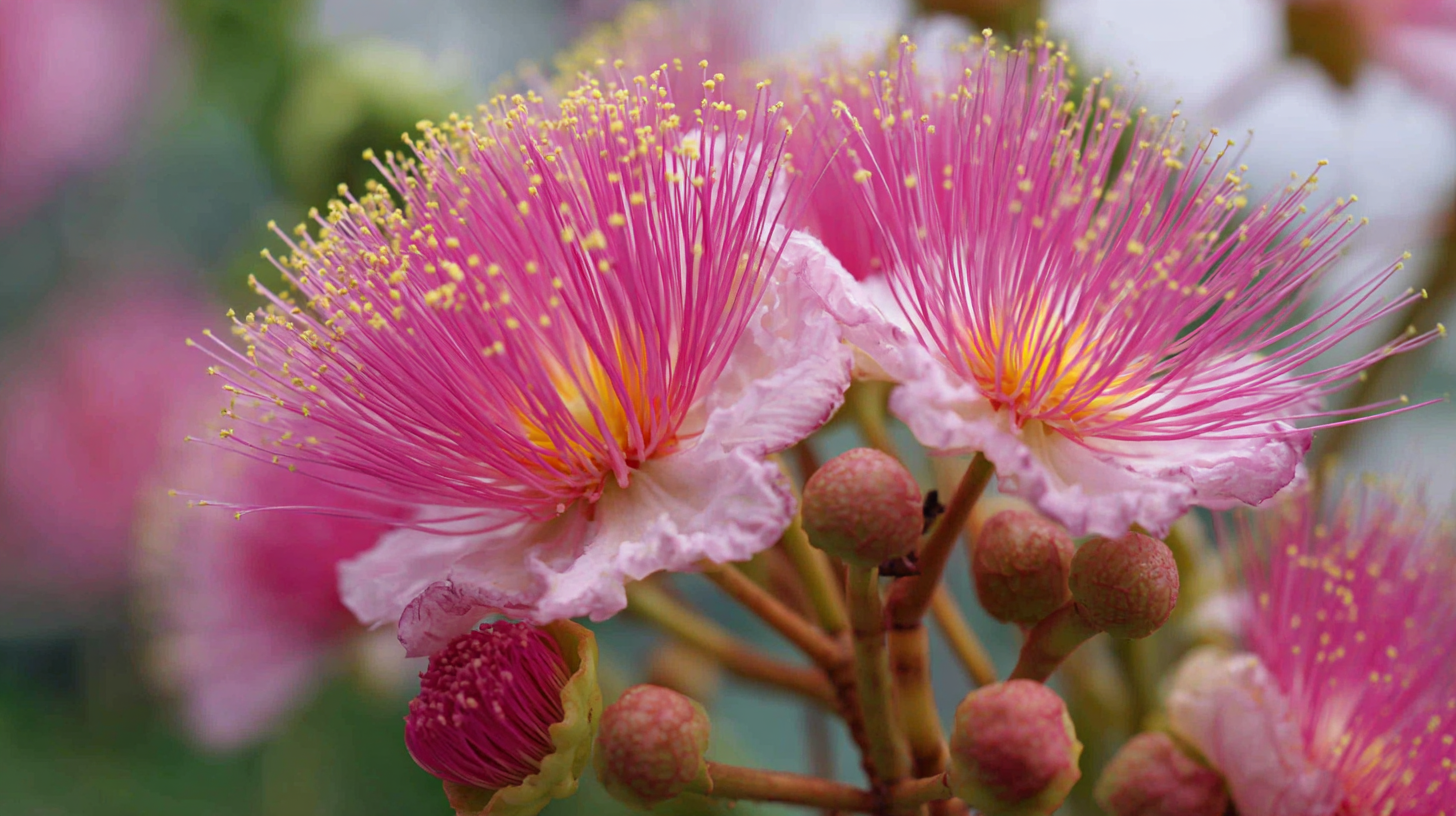
Sustainability and Cultivation: The Economic Impact of Macleaya Plume Poppy Farming
You know, Macleaya plume poppy isn’t just some plant that’s caught the eye of scientists—people are also seeing its big potential for more sustainable farming. As more folks start searching for natural remedies and therapeutic options, growing this plant could actually turn into a pretty profitable venture for farmers. What’s great is that it can be grown in a variety of environments without needing a ton of resources, especially if farmers use eco-friendly methods. This means local communities could really benefit financially from cultivating and selling this kind of plant.
At Xi'an Kintai Biotech Inc, we really stress the importance of quality control from start to finish when it comes to growing Macleaya plume poppy. We kick things off at the planting stage, making sure every batch passes strict quality checks so only the best raw materials are used. This kind of detailed attention isn’t just about getting a top-notch product—it also supports sustainable farming practices that can boost the local economy. Growing Macleaya plume poppy strikes a nice balance between caring for the environment and driving economic growth, which is something we’re really proud of and see as the future of the industry.
Future Directions: Innovative Applications of Macleaya Plume Poppy in Modern Medicine
Lately, scientific research has started to really explore how Macleaya plume poppy (that’s Macleaya cordata, for those wondering) might be pretty useful in modern medicine. It’s not just some old herbal remedy anymore — scientists are actually paying attention to this plant because of its special alkaloids, especially sanguinarine and chelerythrine. These compounds seem to pack a punch, showing antimicrobial, anti-inflammatory, and even anticancer effects. I came across a report from the National Center for Biotechnology Information that highlighted sanguinarine’s pretty impressive ability to target and kill different cancer cell lines, which is definitely exciting and opens doors for potential new cancer treatments.
Looking ahead, there’s a lot of talk about how we might actually make these natural compounds into actual medicines—like, turning them into specific drug formulations. The Journal of Ethnopharmacology points out that these plant-based substances could lead to new therapies that might have fewer side effects than the ones we’re used to. It’s kind of in tune with what a lot of people are looking for these days—more natural, more holistic approaches to health. With ongoing research and clinical trials, I wouldn’t be surprised if Macleaya plume poppy starts showing up more in integrative medicine circles soon, offering some fresh options for those interested in combining traditional and modern treatments.
The Comprehensive Guide to Bulk Pure Macleaya Cordata Total Alkaloids Powder: Benefits, Uses, and Sourcing
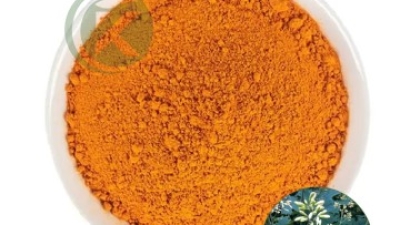
When exploring the benefits of Macleaya Cordata Total Alkaloids Powder, it's crucial to understand its unique composition and applications. This herbal extract boasts a high total alkaloid content of 60%, comprising distinct alkaloids such as Sanguinarine (40%) and Chelerythrine (20%). These compounds have been extensively studied for their promising health benefits, with research indicating their potential anti-cancer and antibacterial properties. For example, a study published in the Journal of Ethnopharmacology highlighted Sanguinarine's ability to inhibit tumor growth in vitro, suggesting significant implications for future cancer therapies.
The sourcing and quality of Macleaya Cordata Total Alkaloids Powder are equally important. Sourced from non-GMO plants and processed without additives, this product offers a natural option for various applications, including medicinal and agricultural uses. With certifications such as GMP, ISO9001, and HACCP, consumers can trust that the product meets high safety and quality standards. Its applications extend to use as a feed additive in livestock, where it serves not only as a growth promoter but also provides liver protection against various toxins.
Furthermore, the orange-red powder's appealing appearance and its efficacy as a natural insecticide make it a hot seller in the herbal extract market. As the demand for plant-based solutions continues to grow, Macleaya Cordata Total Alkaloids Powder stands out as an excellent choice for businesses seeking effective and sustainable ingredients. Detailed market analysis predicts strong growth in the herbal extract sector, reinforcing the trend towards using natural products in health and agriculture.
FAQS
: Macleaya plume poppy has notable therapeutic benefits, including anticancer properties due to its alkaloids like sanguinarine, anti-inflammatory effects for conditions such as arthritis, and potential analgesic effects for chronic pain management.
Research indicates that compounds in Macleaya extracts can lead to a 40% reduction in inflammation markers, demonstrating significant anti-inflammatory effects that may surpass those of traditional remedies like turmeric and willow bark.
The alkaloids in Macleaya plume poppy have been shown to modulate pain pathways and inhibit pro-inflammatory cytokines, contributing to its analgesic effects and reduced pain perception in chronic pain patients.
It is important to consult healthcare professionals before using Macleaya plume poppy, especially if you are undergoing other treatments. Ensuring you source high-quality extracts can help minimize potential side effects.
Clinical trials have shown that around 70% of participants experienced significant pain relief after eight weeks of treatment with Macleaya plume poppy extracts, highlighting its potential in managing chronic pain conditions.
Strict quality control measures, like those emphasized by Xi'an Kintai Biotech Inc., are crucial for preserving the therapeutic benefits of Macleaya plume poppy, ensuring safety, and maximizing bioactive compounds to prevent harmful contaminants.
Macleaya plume poppy’s compounds, such as sanguinarine and chelerythrine, inhibit pro-inflammatory cytokines, leading to a reduction in inflammation, making it a viable alternative for those seeking natural anti-inflammatory therapies.
Yes, Macleaya plume poppy’s anti-inflammatory properties may also be advantageous for other inflammatory conditions, contributing to overall wellness by modulating immune responses.
The studies support the plant's potential use in various therapeutic contexts, including cancer treatment, pain management, and inflammation reduction, suggesting avenues for further clinical research and application.
Conclusion
Have you heard about Macleaya Plume Poppy? This plant is loaded with some pretty unique alkaloids, and it’s been catching people's attention because of its potential health benefits. In this article, I’ll break down what’s inside this plant—specifically, the key alkaloids—and how they might help with issues like inflammation and chronic pain. Scientific studies point to five main ways it could be helpful, making it a promising natural alternative to some of the traditional herbal remedies out there.
Plus, growing Macleaya Plume Poppy isn’t just good for health; it also offers some real economic opportunities. And if we do it right, it can be sustainable for farmers too. Clinical trials have shown that it’s effective for managing long-term pain, which opens up some exciting possibilities for modern medicine. Here at Xi'an Kintai Biotech Inc, we’re really serious about quality—from soil to shelf. That means we control every step of the process to make sure we deliver safe, high-quality raw materials that truly harness the plant’s full potential.
All in all, it’s an exciting plant with a lot of promise, both for health and for the people growing it.